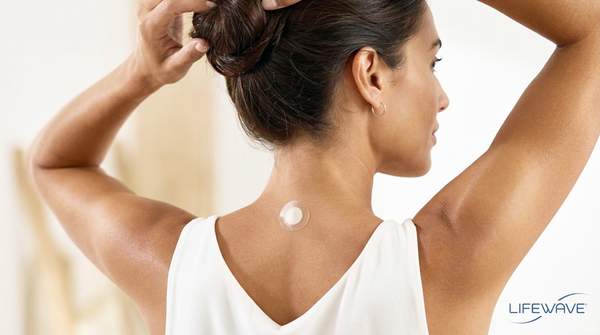
Finding ways to support energy, recovery, and overall wellness without relying on drugs or stimulants has become an area of growing interest. Among the emerging options are non-invasive phototherapy patches, which use specific wavelengths of light to encourage biological responses within the body rather than delivering substances through the skin.
This is the approach taken by LifeWave, a health technology company known for its patented light-reflecting patches. Its technology is designed to support the body's natural processes, with the X39® patch specifically targeting GHK-Cu, a naturally occurring copper peptide associated with cellular regeneration and stem cell activity. Understanding how these patches work offers insight into LifeWave's approach to wearable wellness technology.
Understanding LifeWave's Non-Invasive Phototherapy
The core of LifeWave's technology is a form of phototherapy, also known as photobiomodulation. According to research published by the National Institutes of Health, this modality uses non-thermal light to trigger photochemical changes within cellular structures, which can enhance mitochondrial function and support cellular repair. Unlike clinical light therapy treatments that use external light sources like LEDs or lasers, LifeWave's technology is contained within a wearable patch.
The company states that its patented phototherapy patches are designed to trap the body's own infrared heat and reflect specific wavelengths of light back onto the skin. This process stimulates particular points on the body, a method that is distinct from transdermal patches that deliver substances into the bloodstream.
A common misconception is that these patches introduce chemicals or drugs into the body, but they are non-transdermal and do not contain any active ingredients that enter the system. This makes them a unique, non-invasive wellness tool.
Core Mechanisms: Photobiomodulation and GHK-Cu
LifeWave's approach to wellness is centered on activating the body's own regenerative capabilities. The technology is based on the principle that specific wavelengths of light can stimulate certain biological responses. One of the key mechanisms LifeWave highlights is the elevation of a copper peptide known as GHK-Cu, which is associated with supporting stem cell activity.
To better understand the concepts behind this technology, consider these key terms:
- Phototherapy: The use of specific wavelengths of light to produce a therapeutic or wellness-oriented effect on the body.
- GHK-Cu: A naturally occurring copper peptide in the human body that has been shown to have regenerative properties.
- Stem Cells: Undifferentiated cells that can develop into various specialized cell types and serve as an internal repair system.
- Cellular Resilience: The ability of cells to withstand and recover from stressors, which is crucial for maintaining health.
- Cellular Nutrition: The process of providing cells with the essential nutrients they need to function optimally.
LifeWave's X39® patch is specifically designed to elevate the GHK-Cu peptide, thereby supporting the body's natural stem cell function without introducing external substances.
The Mechanics of Light-Reflecting Patch Technology
The technology behind LifeWave's patches represents a shift in how light therapy can be administered. While traditional methods often involve large, stationary equipment, wearable solutions allow for portable everyday use.
LifeWave's patches are made of organic amino acid crystals encapsulated within the patch structure. When a LifeWave patch is applied to the skin, it is activated by the body's heat. The patch then reflects specific wavelengths of light back into the tissue.
This reflected light is believed to stimulate nerves and points on the skin, which in turn promotes a targeted biological response, such as supporting the body's natural production of the GHK-Cu peptide. This entire process is non-invasive, meaning nothing physically enters the body from the patch itself.
Key Advantages of Non-Invasive Cellular Support
The primary advantage of LifeWave's approach is its non-invasive and drug-free nature. As awareness of non-invasive treatment options grows, consumers are increasingly seeking solutions that work with the body's natural processes. LifeWave's phototherapy patches meet this demand by providing a way to support wellness without introducing foreign chemicals or stimulants.
For instance, an athlete looking to improve performance and recovery might use the Energy Enhancer or X49 patches to support strength and stamina naturally. Similarly, an individual struggling with sleep quality could turn to the Silent Nights patches as a non-pharmacological alternative.
Wearable health technology can help foster healthier behaviors and support overall physical conditions. By stimulating the body's own systems, LifeWave products like the X39® and its accompanying Cellergize™ Morning supplement aim to enhance cellular function and overall vitality from within.
LifeWave's Patent-Backed Approach to Regenerative Health
In the rapidly advancing field of light therapy, intellectual property is a critical asset for differentiation and credibility. LifeWave has established itself as a significant player in this space, holding over 200 global patents, with more than 70 dedicated to regenerative science and technology.
A key example is the LifeWave X39 patch, which is protected by US Patent US10716953B1, published on July 21, 2020. This commitment to research and development stems from its founder, David Schmidt, whose background includes developing energy-production technologies for both commercial and military applications.
LifeWave's focus is on harnessing the body's own potential through its patented phototherapy technology, supporting cellular function and overall wellness.
Incorporating Phototherapy Patches into Daily Routines
One of the most practical aspects of LifeWave's technology is its ease of use. The patches are designed to be simple to apply and can be worn throughout the day or night, depending on the specific product. This fits seamlessly into the daily routine of wearable wellness technology.
A user might apply an X39 patch to a clean, dry point on their body in the morning to support stem cell activity throughout the day. For those looking to improve sleep, applying a Silent Nights patch before bed offers a non-invasive, drug-free option. The patches are small, discreet, and do not require any complex equipment or procedures. This convenience allows users to consistently integrate the benefits of phototherapy into their daily lives.
The Future of Non-Invasive Phototherapy Support
As interest in non-invasive wellness solutions continues to grow, technologies like phototherapy are poised for further innovation and adoption. The key for consumers is to look for products backed by research and a commitment to safety. LifeWave's approach, which combines patented technology with a focus on activating the body's natural processes, represents a clear step in this direction.
For those exploring ways to enhance vitality and support their body's regenerative capabilities, understanding the science behind these technologies is the first step toward making an informed decision. Discover how light-based wellness technology can fit into your daily routine by exploring LifeWave's non-invasive phototherapy patches today.
FAQs
What is the science behind LifeWave patches?
LifeWave's technology is based on phototherapy, a process that uses light to stimulate biological responses in the body. The patches contain organic amino acid crystals that, when activated by body heat, reflect specific wavelengths of light back onto the skin. This reflected light is designed to stimulate points on the body, which in turn supports the activity of peptides like GHK-Cu. LifeWave's X39 patch is specifically designed to elevate this peptide to support natural stem cell function.
Are LifeWave products safe and regulated?
LifeWave positions its products as non-invasive, drug-free, and stimulant-free wellness solutions. The technology is protected by intellectual property, including US Patent US10716953B1 for the X39 patch. While the patches are sold as general wellness products rather than medical treatments, selecting photobiomodulation devices that rely on clear research and evaluation ensures proper safety and expectations.
How do LifeWave patches differ from other wellness products?
Unlike traditional wellness products such as transdermal patches or oral supplements, LifeWave patches are non-transdermal. They do not introduce any chemicals or active ingredients into the bloodstream. Instead, they function by trapping heat and reflecting targeted light signals to stimulate the skin, making them a wearable and portable option for daily routines.