Your smartwatch and a hospital monitor measure some of the same signals, but they are built for different jobs. Consumer wearables are designed for general wellness tracking—trends, motivation, and everyday activity—while clinical-grade devices are built and certified for diagnosis and disease management. A scholarly review of wearable health sensors draws this line explicitly: consumer devices are "not reliable for clinical decision-making," because most lack medical certification and suffer accuracy losses from motion, skin, and algorithm issues. Here is how the two classes differ across the metrics most people track.
Consumer vs. Clinical Wearables: Understanding the Core Difference
The distinction is not about marketing tiers—it is about intended use, regulatory status, and technical performance. A review of wearable sensors for health monitoring separates the field into "wellness devices" and "clinical devices" for each application, from heart rate to fall detection. Wellness devices, such as fitness trackers and smartwatches, monitor general activity and patterns. Clinical devices, such as Holter monitors and polysomnography systems, exist to detect arrhythmias, diagnose sleep disorders, and guide treatment.
Regulation marks the boundary. Medical-grade wearables must pass rigorous evaluation under FDA or CE frameworks before they can be used for clinical decisions. Most consumer devices have no such certification, which is precisely why their outputs should be read as wellness signals rather than medical measurements.
Consumer Wellness Wearables: Purpose and Typical Use
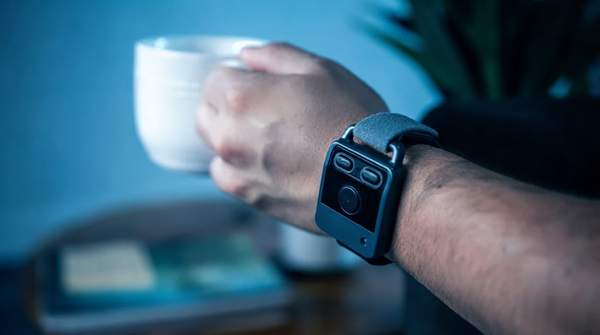
On the wellness side of the ledger, the review lists devices like the Samsung Galaxy Fit 3, which monitors heart rate, steps, sleep, and general activity, and the Amazfit Helio Strap, a tracker for daily movement. Some consumer devices sit closer to the line: a fingertip pulse oximeter sold to general consumers, and "semi-consumer" portable ECG devices used more for wellness or preliminary screening than diagnosis. Some smartwatches attempt blood pressure estimation, but the review notes these require calibration.
Independent testing supports a cautious reading of these outputs. A study that tested three wristband systems—Apple Watch, Microsoft Band, and Fitbit Surge—against a reliable ground truth found that heart rate, steps, and distance varied considerably during tasks requiring body movement, while heart rate was considered more reliable when the wearer was seated and still. In other words, the numbers on your wrist are most trustworthy when you are resting, and least trustworthy exactly when you are exercising.
Clinical Monitoring Devices: Purpose and Regulatory Standards
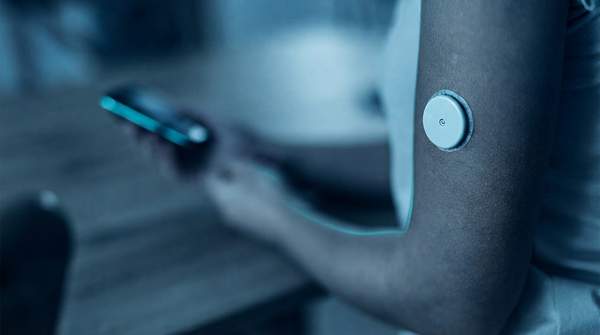
Clinical devices occupy a different role entirely. For heart rhythm, ambulatory ECG patches and Holter monitors are described as the gold standard for arrhythmia diagnosis. For sleep, polysomnography is the clinical system for diagnosing sleep disorders. For blood pressure, dedicated home arm-cuff monitors and clinic sphygmomanometers are standard medical devices. For glucose, the Dexcom continuous glucose monitor is widely used by people with diabetes to track interstitial glucose continuously.
Clinical-grade wearables also enable home-based monitoring that reduces hospital burden and supports remote clinical decision-making. But that capability comes with obligations: accuracy depends heavily on proper device placement and maintenance, and long-term user adherence is often low. Clinicians, meanwhile, face the challenge of integrating large volumes of wearable data into electronic health records without triggering alert fatigue.
Consumer vs. Clinical Wearables: A Quick Comparison
The table below contrasts the two device classes across five common health metrics, using the review's own categorization. Read each row as a statement of purpose: the consumer column tells you what the device is for, and the clinical column tells you what a diagnostic measurement actually requires.
| Physiological Metric | Consumer Wellness Device (Purpose & Limitations) | Clinical Device (Purpose & Reliability) |
|---|---|---|
| Heart rate / ECG | Fitness trackers and smartwatches (e.g., Samsung Galaxy Fit 3) monitor heart rate for general activity tracking; accuracy drops with motion and optical interference. | Ambulatory ECG patches and Holter monitors for rhythm monitoring—the gold standard for arrhythmia diagnosis. |
| Blood oxygen (SpO2) | Consumer fingertip pulse oximeters (e.g., One Medical Oxy One Pro) and smartwatch SpO2 features for general wellness; accuracy can suffer from variable skin perfusion and algorithm limitations. | Hospital-grade pulse oximeters used for respiratory monitoring and hypoxemia detection. |
| Activity / steps / movement | Wrist trackers (e.g., Amazfit Helio Strap) for steps, activity, and daily movement; accuracy varies with device placement and movement patterns. | Clinical-grade activity trackers, such as inertial measurement units in gait labs, for rehabilitation and mobility assessment. |
| Sleep tracking | Smartwatches and bands using accelerometers plus heart rate for general sleep patterns; trends only, not diagnostic precision. | Polysomnography systems for diagnosing sleep disorders. |
| Blood pressure | Some smartwatches attempt BP estimation, requiring calibration; generally not a substitute for validated measurements. | Home arm-cuff monitors and clinic sphygmomanometers—standard medical devices for hypertension management. |
The pattern across every row is the same: the consumer device answers "how am I trending?" while the clinical device answers "do I have a condition, and how should it be managed?" Neither replaces the other.
Factors Limiting Consumer Wearable Accuracy
Why can't your smartwatch match a Holter monitor? The review names four culprits: motion artifacts, variable skin perfusion, optical interference, and algorithmic inconsistencies. Together, these produce reduced accuracy compared with gold-standard clinical equipment. Motion artifacts explain the wristband study's finding that readings drifted most during movement—exactly the scenario fitness trackers are marketed for.
Variable skin perfusion matters for any optical measurement: if blood flow near the sensor is low or uneven, the signal degrades. Algorithmic inconsistencies mean two devices can interpret the same raw signal differently. Add the regulatory gap—no FDA or CE medical certification for most consumer devices—and the result is a class of products that are genuinely useful for trends but unreliable as diagnostic instruments.
When to Choose Which Device: Practical Guidance
The practical rule follows directly from the evidence. Use your consumer wearable for what it does well: watching your resting heart rate trend over weeks, comparing sleep patterns, counting steps, and staying motivated. Treat any single reading—especially during exercise, or a blood pressure or SpO2 estimate—as a rough signal, not a measurement. When a reading matters for a health decision, the clinical column of the table applies: a validated arm-cuff monitor for blood pressure, polysomnography for suspected sleep disorders, Holter or patch monitoring for rhythm concerns.
This article compares device classes, not specific brands or models, and accuracy is discussed in general terms rather than as specific error rates. Nothing here is medical advice or a device recommendation for a condition.
Making Informed Choices: When to Trust Your Wearable Data
Use consumer wearables for general health trends and motivation, but always consult a healthcare professional and use clinical-grade devices for diagnostic purposes or managing medical conditions. The clearest signal that a monitoring need has crossed from wellness into medicine is the presence of a medical professional's recommendation or a prescription for a specific monitoring device—once that exists, you are in clinical territory, and your wrist tracker becomes a supplement rather than the source of truth.