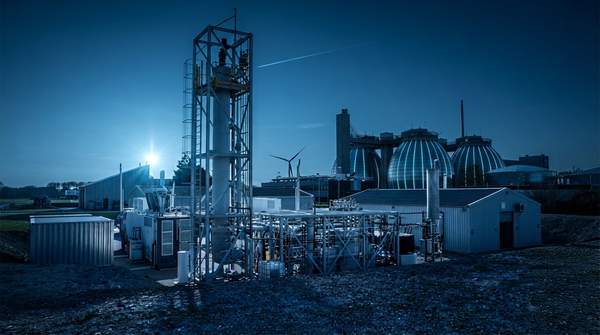
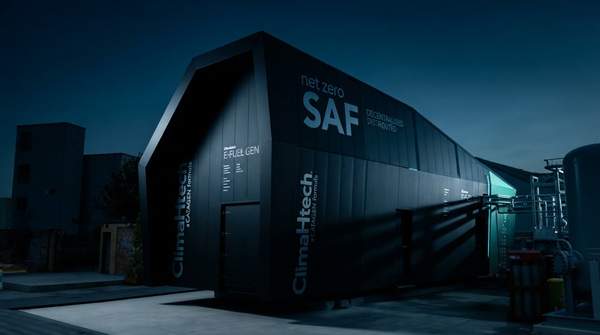
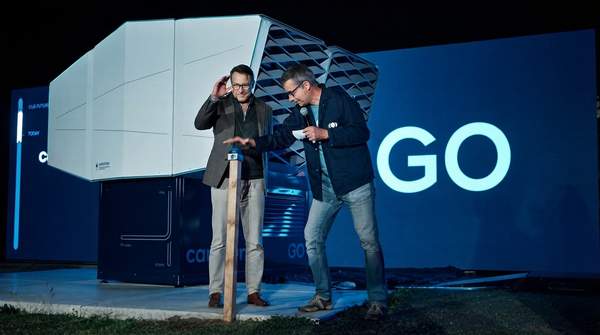
Green hydrogen electrolyzers now achieve efficiencies exceeding 90%, a technological leap promising a carbon-free future for heavy industry and transportation. This progress, a critical step toward decoupling economic growth from fossil fuels, puts ubiquitous clean energy within our grasp. Yet, this technological prowess masks a stark reality: green hydrogen production is reaching unprecedented efficiencies, but the infrastructure for its large-scale commercialization is largely non-existent. We are perfecting the product without building the roads to market. Widespread green hydrogen adoption will remain a distant promise until significant global investment in storage and distribution materializes. This is not a research and development problem; it is a strategic planning and investment crisis demanding immediate action.
1. The Efficiency Revolution: Breakthroughs in Production
Solid oxide electrolyzers (SOEC) now achieve over 90% efficiency, proving green hydrogen production's technical maturity. This performance shifts the focus from fundamental research to deployment, making green hydrogen increasingly competitive.
Best for: Industrial applications requiring high-efficiency hydrogen production, especially when integrated with high-temperature waste heat sources.
Description: SOEC technology operates at elevated temperatures, leveraging heat to reduce electrical input, resulting in superior energy conversion rates. Their ability to utilize various steam sources further enhances their efficiency and applicability in diverse industrial settings.
Strengths: Highest reported efficiencies (over 90% according to pmc) | Can integrate with industrial waste heat for improved economics | Produces high-purity hydrogen | Limitations: Requires high operating temperatures (600-1000°C) | Slower start-up and shut-down times compared to other technologies | Material degradation concerns at extreme temperatures | Price: Moderate to high initial capital cost, with lower operational costs due to efficiency.
2. Proton Exchange Membrane (PEM) Electrolyzers
Proton exchange membrane (PEM) electrolyzers achieve 80% efficiency, offering a robust solution for dynamic renewable energy integration. Their rapid response makes them ideal for pairing with intermittent power sources like wind and solar.
Best for: Grid-scale energy storage, vehicle refueling stations, and applications requiring rapid response to fluctuating power inputs.
Description: PEM electrolyzers use a solid polymer electrolyte to separate hydrogen and oxygen, allowing for compact designs and high power density. Their operational flexibility is a key advantage for renewable energy systems.
Strengths: High power density and compact design | Rapid response to power fluctuations | High hydrogen purity | Operates at lower temperatures than SOEC | Limitations: Requires expensive platinum-group metals as catalysts | Sensitivity to water impurities | Lower efficiency than SOEC (80% according to pmc) | Price: High initial capital cost due to catalyst materials.
3. Artificial Intelligent Driven Process Optimization
Artificial intelligence (AI) driven process optimization enhances production efficiency and resource management across electrolysis methods. This digital layer ensures even highly efficient hardware operates at peak potential, minimizing waste and maximizing output.
Best for: Large-scale green hydrogen plants, optimizing complex operational parameters, and predictive maintenance.
Description: AI algorithms monitor and adjust operational variables such as temperature, pressure, and electrolyte concentration in real-time, learning from data to predict optimal conditions and potential failures. This leads to more stable and cost-effective production.
Strengths: Maximizes uptime and extends equipment life | Reduces operational costs through optimized resource use | Improves overall system efficiency and stability | Enables predictive maintenance | Limitations: Requires significant data collection and processing infrastructure | Initial investment in AI integration can be high | Requires specialized expertise for implementation and maintenance | Price: Varies significantly based on system complexity and integration.
Global Race: Leaders in Green Hydrogen Readiness
| Country | Policy Focus | Investment Direction | Infrastructure Development Status |
|---|---|---|---|
| China | Ambitious national hydrogen strategy with production targets | Significant investment in large-scale production facilities and renewable energy integration | Early stages of developing regional hydrogen pipelines and refueling stations, primarily for industrial clusters |
| Germany | Strong emphasis on decarbonizing industry and transport with green hydrogen | Substantial funding for electrolysis projects, research, and international partnerships for imports | Developing hydrogen backbone network and import terminals, but domestic distribution remains fragmented |
| USA | Incentives through Inflation Reduction Act (IRA) and regional clean hydrogen hubs | Focus on stimulating domestic production and establishing regional supply chains | Limited national-scale infrastructure; primarily regional and point-to-point solutions under development |
China, Germany, and the USA lead in green hydrogen readiness due to robust policies and investment, as reported by pmc. Yet, this 'readiness' metric is misleading; it reflects manufacturing capabilities but ignores the fundamental lack of storage and distribution infrastructure. This misallocates focus, prioritizing creation over delivery. National policies and investment accelerate the global race, but without a parallel commitment to the logistical backbone, these efforts risk creating supply without a viable demand channel.
The Roadblock: Infrastructure's Critical Lag
The unavailability of infrastructure for hydrogen storage, consignment, and timely refueling is a significant barrier to its large-scale commercialization, according to pmc. This mundane problem, far from technological breakthroughs, is the true bottleneck. Companies investing solely in production without simultaneously addressing this infrastructure gap risk significant capital on stranded assets. The industry sits on a technically mature product; its failure to scale is a strategic planning and investment problem, not a research and development one.
Frequently Asked Questions
What are the biggest challenges facing green hydrogen technology in 2026?
Beyond the critical infrastructure gap, a major challenge for green hydrogen in 2026 involves the substantial capital expenditure required for renewable electricity generation. Ensuring a consistent, affordable supply of renewable energy to power electrolyzers at scale remains a significant hurdle. Additionally, navigating evolving regulatory frameworks and securing social acceptance for large-scale hydrogen projects adds layers of complexity.
How can we accelerate green hydrogen adoption in heavy industry?
Accelerating green hydrogen adoption in heavy industry necessitates targeted policy incentives, such as carbon pricing mechanisms or direct subsidies for hydrogen use in steel, chemical, and cement production. Furthermore, establishing dedicated industrial hydrogen valleys, where production, storage, and consumption are co-located, can mitigate early infrastructure costs and demonstrate viable use cases. Collaborative partnerships between energy providers and industrial consumers are also vital for de-risking initial investments.
By Q4 2026, if governments and industry fail to commit to a global infrastructure investment plan mirroring the scale of initial renewable energy build-out, companies like Hydrogen Futures Inc. will likely face market stagnation despite producing hydrogen at 90%+ efficiency.