
Entanglement
4 articles
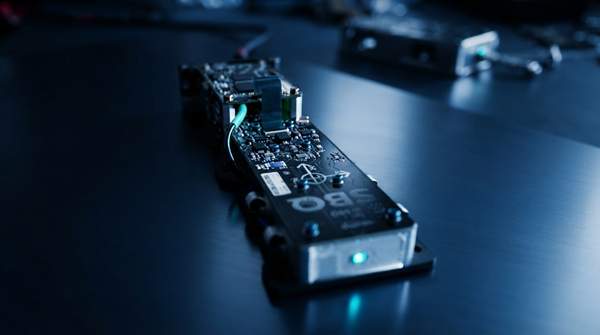
How Superposition and Entanglement Make Quantum Sensors More Precise Than Classical Ones — and Where They Are Being Deployed
Quantum sensors achieve superior precision over classical devices by exploiting quantum phenomena like superposition and entanglement, enabling breakthroughs in fields such as medical diagnostics, geological surveying, and security screening.
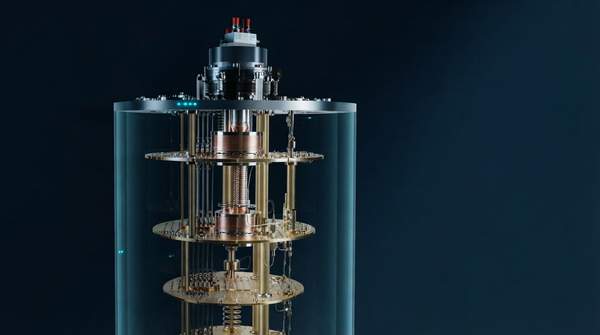
How Quantum Machine Learning Works: Superposition, Entanglement, and the Limits of Today's Hardware
Quantum Machine Learning (QML) applies quantum mechanics to machine learning, promising exponential speed-ups for specific problems by using superposition and entanglement. However, current hardware limitations and the narrow applicability of these advantages necessitate realistic expectations and hybrid quantum-classical approaches.
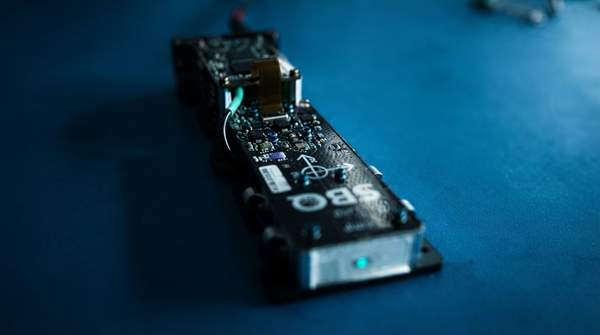
How Superposition, Entanglement, and Interference Make Quantum Sensors More Precise Than Classical Instruments
Quantum sensors exploit unique phenomena like superposition, entanglement, and interference to achieve extraordinary precision, surpassing classical instruments in measuring time, magnetic fields, and gravity. This advanced technology enables breakthroughs in navigation, medical diagnostics, and fundamental scientific research.
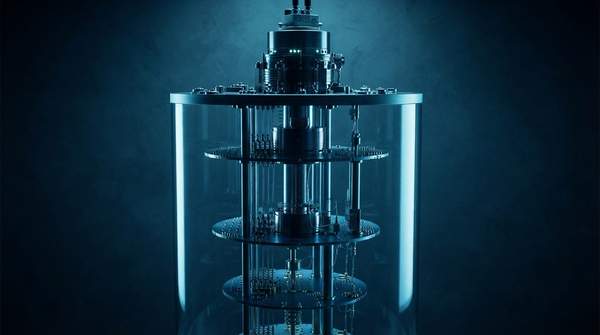
Unlocking Quantum Computing's Power: Superposition and Entanglement Explained
Quantum computing harnesses the power of superposition and entanglement, allowing qubits to exist in multiple states simultaneously and become interconnected. These fundamental quantum phenomena enable quantum computers to process information in novel ways, offering significant advantages for complex computational challenges.