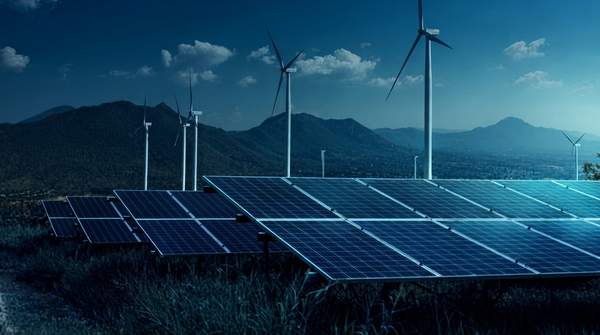
India, ranking fourth globally in renewable energy capacity, met its non-fossil Nationally Determined Contribution (NDC) target five years early. Yet, its 2030 emissions are projected to surge by 8-11% compared to previous assessments. This startling disconnect exposes a deeper struggle: rapid renewable expansion masks a significant rise in overall emissions and persistently weak corporate social and labor performance. Therefore, while critical mineral pacts offer strategic benefits for global supply chains, their true climate impact hinges on rigorous enforcement of environmental and social standards. Without it, India risks a 'green mirage' instead of genuine progress.
India's Renewable Ambition Meets Critical Supply Needs
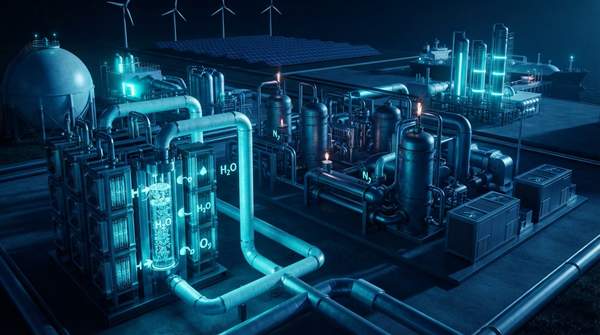
India's global standing in renewable capacity is undeniable, but its true strategic value emerges from recent geopolitical maneuvers. India and the US signed a Memorandum of Understanding (MOU) to cooperate on critical battery mineral supply chains, as reported by Reuters. This pact aims to secure materials vital for the global energy transition. Simultaneously, the EU-India Trade Agreement offers a platform for climate action, covering technical standards for batteries, hydrogen fuel cells, and recycling, according to American Progress. These agreements position India as a crucial partner, not just for its green energy infrastructure, but for securing vital supply chains and fostering technological collaboration worldwide.
The Unmet Promise: Stagnating Generation and Rising Emissions
India's impressive renewable capacity masks a stark reality: non-fossil generation stagnates at just 25%, according to Climate Action Tracker. Infrastructure exists, but its utilization falls critically short. How can we decarbonize if assets remain idle? This underperformance fuels a concerning trend: India's 2030 emissions are projected to be 8-11% higher than previous assessments, also per Climate Action Tracker. Compounding this, corporate social and labor performance remains critically weak among the world’s most influential companies, as assessed by the World Benchmarking Alliance in 2026, according to American Progress. The gap between capacity targets and actual decarbonization is widening, shadowed by persistent social and labor failures.