Top 5 Sustainable Tech Innovations Driving a Greener Future

Despite a 300% surge in renewable energy patents last decade, global carbon emissions barely budged, shrinking by a mere 2%.

KJ
Kai Johnson

June 8, 2026 · 5 min read

Futuristic cityscape with vertical gardens and AI-powered green energy grids, symbolizing sustainable technological innovation for a healthier planet.

Despite a 300% surge in renewable energy patents last decade, global carbon emissions barely budged, shrinking by a mere 2%. This isn't progress; it's a glaring indictment of our priorities. We boast groundbreaking sustainable technologies, yet the political will and economic muscle to deploy them globally remain tragically absent. The sheer volume of breakthroughs, from AI-optimized grids to advanced nuclear, creates a false sense of security. Without aggressive policy incentives and massive private-public investment, these innovations will remain trapped in labs and niche markets, powerless to avert climate catastrophe within critical timelines.

The Next Wave: Top 5 Innovations for a Greener Planet

1. AI-Powered Grid Optimization

Best for: Energy utilities, smart cities, and regions seeking to integrate diverse renewable sources efficiently.

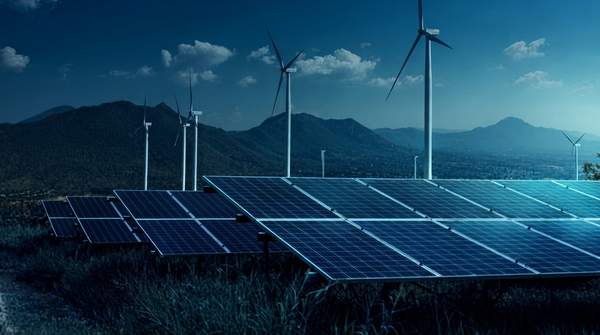
AI-powered systems now optimize energy distribution, predicting demand and balancing intermittent sources like solar and wind. This slashes waste and reliance on fossil fuel peaker plants. The green technology market, projected to hit USD 215.47 billion by 2032 (Precedence Research) (Precedence Research), increasingly depends on such smart infrastructure. The implication? Our grids can finally become truly intelligent, but only if we invest in the digital backbone to support them.

Strengths: Enhances grid stability | Reduces energy waste | Integrates renewables seamlessly | Limitations: High initial investment in infrastructure | Data privacy concerns | Requires skilled operators | Price: Moderate to High (dependent on grid size and complexity)

2. Advanced Modular Nuclear Reactors (AMNRs)

Best for: Nations requiring stable, carbon-free baseload power and industrial applications.

Small Modular Reactors (SMRs), a form of AMNR, offer scalable, safer nuclear power. Factory-built and transportable, they drastically cut construction time and cost. BCSE.org's Sustainable Energy in America Factbook confirms nuclear's vital role in decarbonization. The critical implication here is that AMNRs could finally deliver stable, carbon-free baseload power without the prohibitive scale and public fear of traditional plants, if regulatory hurdles are cleared.


Strengths: Zero carbon emissions | High energy density | Smaller footprint | Limitations: Public perception challenges | Regulatory hurdles | Waste disposal concerns | Price: High (per unit, but more affordable than large reactors)

3. Sustainable Bio-Manufacturing Platforms

Best for: Industries seeking to replace petroleum-based products with biodegradable, renewable alternatives, such as packaging and textiles.

These platforms use biotechnology to create materials, chemicals, and fuels from renewable biomass, agricultural waste, or CO2. Bio-plastics that decompose naturally are emerging, cutting landfill burden and ocean pollution. This isn't just a product swap; it's a fundamental re-engineering of manufacturing, severing our reliance on finite fossil resources. The implication is a future where our products don't just disappear, but return to the earth, if we can overcome scalability and cost challenges.

Strengths: Reduces plastic waste | Lowers carbon footprint | Renewable resource utilization | Limitations: Scalability challenges | Cost competitiveness with traditional materials | Land use for biomass | Price: Moderate (currently higher than conventional plastics, decreasing with scale)

4. Direct Air Capture (DAC) with Enhanced Mineralization

Best for: Hard-to-decarbonize sectors and achieving net-negative emissions targets.

DAC technology pulls CO2 directly from ambient air, often combining it with enhanced mineralization for permanent solid storage. This offers a direct route to remove legacy emissions. Its potential for large-scale carbon removal is immense, but the non-obvious implication is that this technology, while crucial for 'hard-to-decarbonize' sectors, risks becoming an excuse for continued emissions if not paired with aggressive reduction efforts.

Strengths: Removes existing CO2 from atmosphere | Permanent storage potential | Scalable over time | Limitations: High energy consumption | Significant land footprint for storage | High operational costs | Price: High (per ton of CO2 captured)

5. Ocean-Based Renewable Energy Systems

Best for: Coastal communities and island nations with consistent wave or tidal resources, or abundant offshore space for floating solar.

Innovations in wave, tidal, and floating offshore solar power are advancing, offering predictable, powerful renewable energy. These systems reduce land use and provide consistent output. The oceans hold vast, untapped energy, implying a future where coastal communities and island nations could achieve energy independence, but only if we master the harsh marine environment and high costs.

Strengths: Predictable energy generation | High power output | Reduces land use | Limitations: Harsh marine environments | High installation and maintenance costs | Environmental impact on marine life | Price: High (installation and infrastructure)

Comparing Impact: Where Each Innovation Shines (and Struggles)

InnovationPrimary Climate ImpactScalability PotentialCost-Effectiveness (Current)Deployment Complexity
AI-Powered Grid OptimizationEmissions reduction through efficiencyHighModerateModerate (Software integration)
Advanced Modular Nuclear ReactorsZero-carbon baseload powerModerateLow (High upfront)High (Regulatory & construction)
Sustainable Bio-Manufacturing PlatformsReduced plastic pollution & carbon footprintModerateLow (Higher than fossil-based)Moderate (Supply chain & processing)
Direct Air Capture with MineralizationAtmospheric CO2 removalModerateVery Low (Very high per ton)High (Energy & storage infrastructure)
Ocean-Based Renewable Energy SystemsClean energy generationModerateLow (High upfront & maintenance)High (Engineering & environmental)

No single technology is a silver bullet. Their collective impact demands strategic deployment. AI-Powered Grid Optimization offers immediate efficiency, but Direct Air Capture, while critical for net-negative emissions, faces formidable cost and energy hurdles. The persistent gap between technological readiness and real-world carbon reduction isn't just a challenge; it's a strategic failure. Nations focused solely on R&D without parallel investment in policy and infrastructure are accumulating intellectual property, not solving the climate crisis. This implies that without a holistic approach, even the most brilliant innovations will remain sidelined.

How We Chose: the criteria for Sustainable Innovation

The selection wasn't about novelty; it was about impact. Priority was given to solutions directly tackling greenhouse gas emissions or offering carbon removal pathways. MDPI.com's report on Green Innovation and National Competitiveness underscores its link to sustainable economic growth. Each technology was rigorously evaluated for its development stage, potential for widespread adoption, and environmental benefit. We moved beyond lab success, assessing economic viability and deployment challenges. Crucially, we sought genuine advancements that fill gaps or offer distinct advantages over existing solutions, pushing the boundaries of what's possible. This isn't just about identifying tech; it's about pinpointing the true drivers of a greener future.

Beyond the Tech: The Real Hurdles to a Green Future

If global leaders fail to prioritize deployment over mere invention, the full potential of these cutting-edge sustainable technologies appears unlikely to be realized, leaving climate targets unmet and a greener future out of reach.