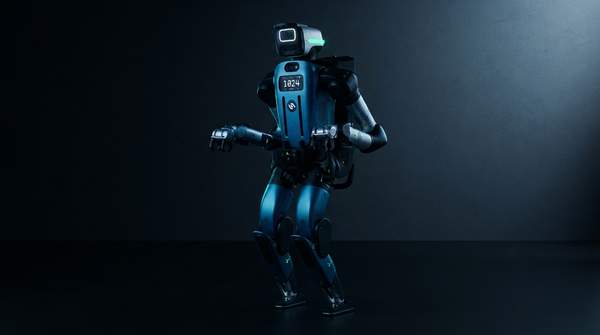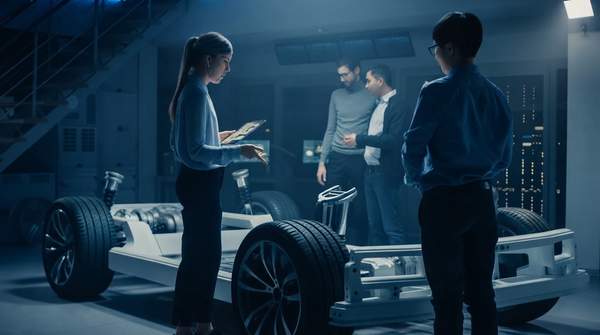
Sensor fusion is a critical technology that significantly enhances the perception and decision-making capabilities of autonomous systems, including autonomous vehicles and robotics, particularly in complex environments. This technique involves combining data from multiple sensors, such as LiDAR, radar, and cameras, to create a more comprehensive, accurate, and reliable understanding of the system's surroundings than any single sensor could provide alone. By integrating diverse data streams, sensor fusion helps autonomous systems navigate intricate scenarios, make informed decisions, and maintain safety across various conditions, including adverse weather or low visibility, according to SRM Technologies.
The necessity of sensor fusion stems from the inherent limitations of individual sensors. No single sensor modality is sufficient on its own to provide all the necessary information for robust autonomous operation, as each sensor has distinct strengths and weaknesses. For instance, while cameras offer rich visual detail, their performance can degrade in poor lighting or adverse weather. Radar excels at measuring velocity and distance in challenging conditions but typically lacks high resolution. LiDAR provides precise 3D mapping but can be affected by heavy rain or fog. By fusing data from these complementary sensors, autonomous systems can overcome these individual shortcomings, minimize blind spots, and improve overall environmental awareness, as noted by Electrical Engineering News and Products.
The Imperative of Sensor Fusion in Autonomous Systems
Autonomous vehicles (AVs) and robotics rely on a sophisticated understanding of their environment to operate safely and effectively. This understanding is primarily achieved through sensors, which are fundamental for tasks such as perceiving surroundings, localization, mapping, and controlling the vehicle's state, according to a review published on PMC. However, no single sensor can reliably provide all the necessary information across diverse operating conditions.
Each sensor type possesses unique strengths and weaknesses. For example, cameras offer detailed visual information but struggle in low light or harsh weather. Radar is effective at detecting objects and measuring their speed and distance, even through fog or heavy rain, but typically provides lower resolution. LiDAR generates precise 3D point clouds for mapping and object detection but can be impacted by certain weather conditions. The integration of these complementary sensors through sensor fusion is essential to overcome these individual limitations, ensuring a more robust and reliable perception of the environment, as highlighted by SRM Technologies.
Sensor fusion improves accuracy, enhances safety, and refines decision-making by reducing blind spots and mitigating the inherent limitations of individual sensors. This integrated approach allows autonomous systems to navigate complex urban traffic, respond to unexpected obstacles, and adapt to varying road conditions. Ultimately, sensor fusion is crucial for maintaining consistent performance and enabling advanced applications in autonomous vehicles and security systems, driving innovation in the market, according to SRM Technologies.