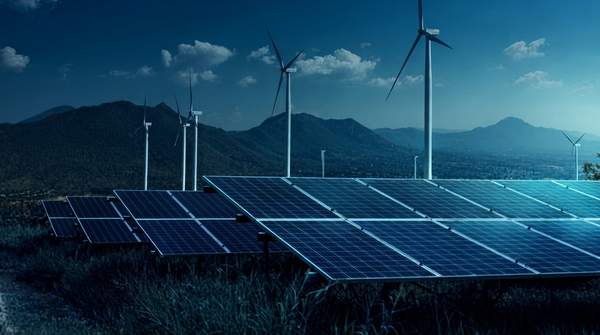
We look to green technology as a beacon of hope in the fight against climate change, a promise of progress without planetary ruin. But behind the marketing slogans and sleek designs, a troubling paradox is taking shape. The very technologies meant to save us are often built on a foundation of social inequality, human rights abuses, and corporate-side-stepping. We must look past the green hype and confront the uncomfortable truth: a technology is not truly sustainable if it deepens human suffering or widens the gap between the world’s rich and poor.
The Illusion of Ethics: Unpacking 'Ethics-Washing'
In recent years, the technology sector has embraced the language of ethics. Companies now publish ethical principles and tout their commitment to responsible innovation. Yet, we must be wary of a growing trend that some academics call "ethics-washing." This is the practice of adopting ethical labels without making substantive changes to business operations. According to one sociotechnical analysis, current approaches to tech ethics are poised to allow companies to call themselves “ethical” without fundamentally altering their practices. This creates a dangerous gap between ethics as a concept for inquiry and ethics as a practical, accountable endeavor.
This superficiality allows corporations to manage their reputations while avoiding the difficult, systemic changes required for true accountability. Firms may establish ethical standards, but without a genuine culture of morality and sufficient authority for those who uphold these standards, the commitments remain cosmetic. For green technology, this means a company can market a product as "eco-friendly" while ignoring the profound social and environmental harms embedded in its life cycle.
The Green Tech Divide: Inequality in Access
One of the most glaring ethical failures of the green transition is the creation of a new global divide. While wealthy nations advance their clean energy goals, many poorer countries are being left behind due to prohibitive financial and technological barriers. The high upfront costs of green infrastructure are a primary obstacle. For example, a solar-powered microgrid in sub-Saharan Africa can cost $5,000 per household, an impossible sum in a region where 600 million people live off the grid. This creates a cruel paradox: the nations most vulnerable to the devastating impacts of climate change have the least access to the technologies designed to mitigate it.
This "Green Tech Divide" is an extension of the broader digital divide, which has been called "the new face of inequality" as 3.7 billion people remain disconnected from the internet. Without ethical considerations at their core, digital technologies possess an unmatched power to reinforce and accelerate these disparities. The World Economic Forum has noted that accessibility cannot be an afterthought; it must be built into the design process from the very beginning to avoid dismantling equality.